
SIGN-UP NOW FOR A GROUP DIGITAL PHOTOGRAPHY CLASS: SIGN-UP
SIGN-UP FOR A ONE ON ONE DIGITAL PHOTOGRAPHY CLASS: SIGN-UP
TAKE THIS COURSE IF YOU WANT TO…
-Learn 6 Digital Photo Composition Strategies.
-Apply what you have learned in our DSLR/Point and Shoot classes out in the field.
-Test your camera’s capabilities side by side with your instructor in amazing locations.
-Appreciate local areas in a whole new way and capture amazing images that will last a lifetime.
-Meet and learn from some of our 100+ instructors across the country.
Company Information:
Contact Name: Sam Johnston
Email: sam@studio4designllc.com
Organization: Digital Photography Classes
Address: 4012 W Estrella Street, Tampa FL 33629
Phone: (813) 419-2144 – Cell/Text: (813) 254-4413
Website to Sign-up Now: studio4designllc.com/digital-photo-classes.html
Hours of Operation:
|
Monday |
9:00 AM to 5:00 PM |
|
Tuesday |
9:00 AM to 5:00 PM |
|
Wednesday |
9:00 AM to 5:00 PM |
|
Thursday |
9:00 AM to 5:00 PM |
|
Friday |
9:00 AM to 5:00 PM |
|
Saturday |
9:00 AM to 5:00 PM |
|
Sunday |
9:00 AM to 5:00 PM |
What are some photography tips?
 The 500 rule for a full frame camera requires you to set your camera to ISO 3200 or 6400, Aperture to f/2.8 (or as wide as possible) and your shutter speed to 500 divided by the focal length of your camera. For example, if you are shooting with a 50mm lens, your shutter speed would be 10 seconds (500 / 50 = 10).Jan 28, 2020
Search for: What is the 500 rule in photography? This is complete and utter bull$! Don't believe everything you read. A better way of calculating your exposures
The 500 rule for a full frame camera requires you to set your camera to ISO 3200 or 6400, Aperture to f/2.8 (or as wide as possible) and your shutter speed to 500 divided by the focal length of your camera. For example, if you are shooting with a 50mm lens, your shutter speed would be 10 seconds (500 / 50 = 10).Jan 28, 2020
Search for: What is the 500 rule in photography? This is complete and utter bull$! Don't believe everything you read. A better way of calculating your exposures
CLASS DESCRIPTION
Group Composition in the Field Classes – 3 hours – $150
Each Composition in the Field photography class begins with a talk with one of our experienced instructors, and then you and your fellow students take a stroll through one of a variety of photogenic locales (in any of the cities the DPC are held in). There is street photography, magnificent interiors, farmers markets, zoos, landscapes, and more, photos of which are included within. These photos are a mix of student and instructor images in many different venues and cities across the United States.
You will have fun in the three hour session, learn to shoot strategically, get more interesting photos of the event, and walk away with a foundation to improve your photographs in the future, whether you’re traveling, or at a birthday party and everywhere in between.

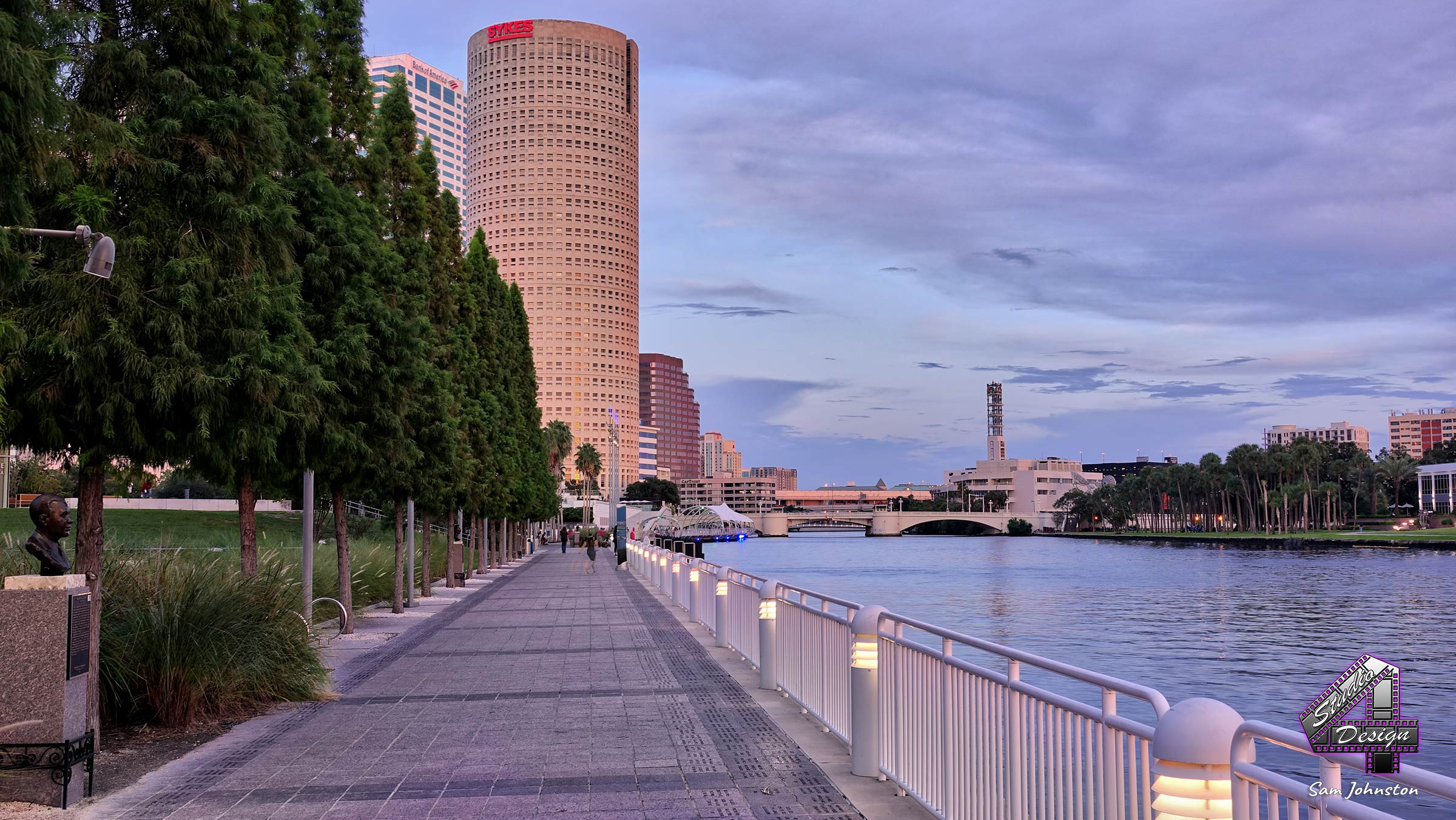 A better way of calculating your camera exposures, as everything in photography utilizes math. For instance, take your light meeter. It's based off of foot candles. 1 candle = 1 second; 30 candles of light which is in open shade all over the world would = 1/30 of a second. Now lets jump to the brightest white, mid day cloud light by the sun has 500 candles of light on it, which = 1/500 of a second shutter speed. Now what ever you set your ISO to, for instance ISO 100 you take the square root of 100 = 10. To shoot the cloud at ISO 100 and utilize the 1/500 of a second shutterspeed, your f/stop would be f/10. Same ISO in open shade your exposure would be 1/30 f/10, or 1/60 f/5, 1/125 f/2.5
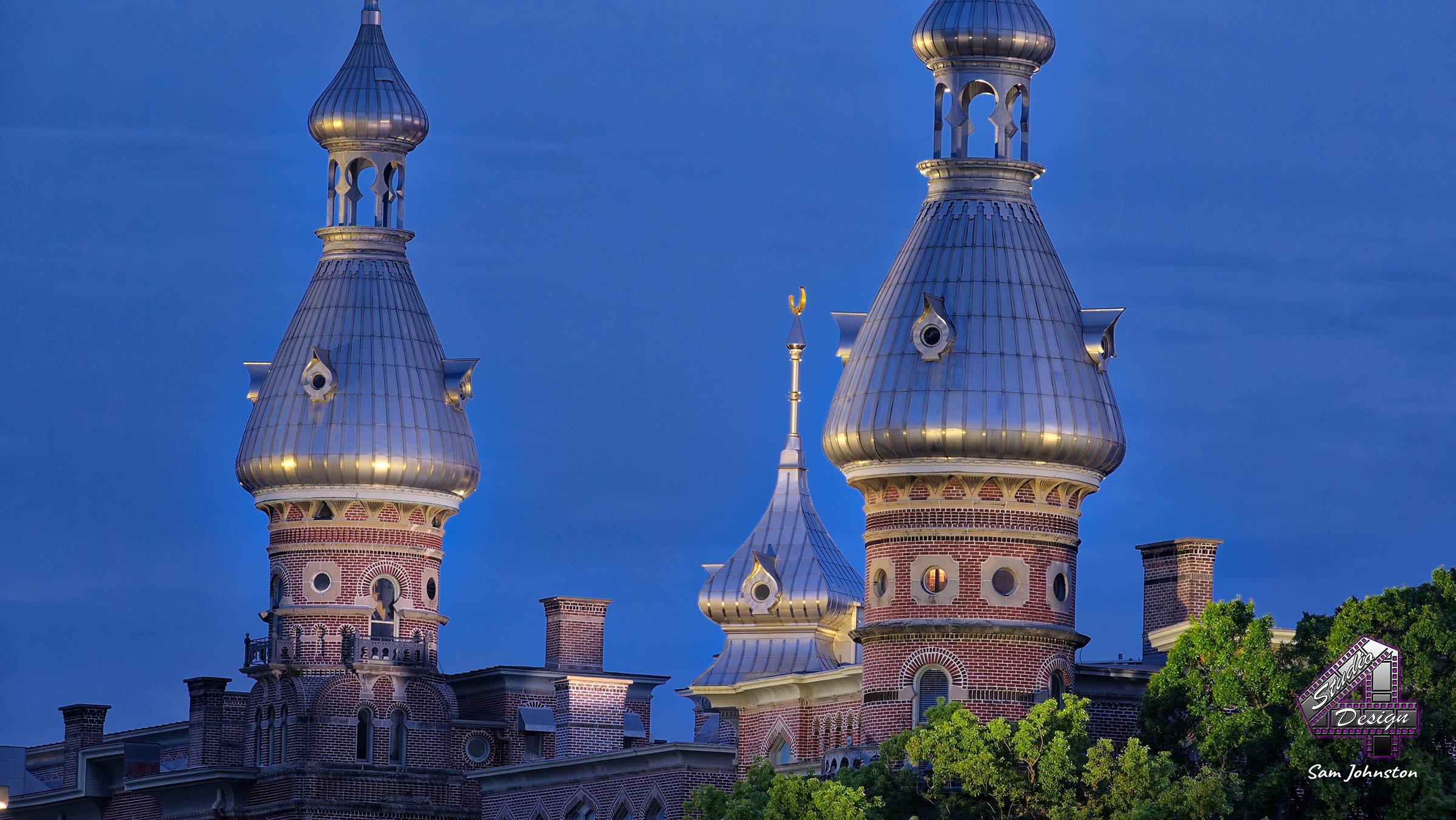
 7 Tips for Beginner Photographers
... Don't go crazy buying the most expensive equipment right away.
... Consider a tripod.
... Keep your camera with you all the time.
... Make a list of shots you'd like to get.
... Don't overlook mundane subjects for photography.
... Enjoy the learning process.
... Take advantage of free resources to learn.
Search for: How do you become a good beginner photographer?
7 Tips for Beginner Photographers
... Don't go crazy buying the most expensive equipment right away.
... Consider a tripod.
... Keep your camera with you all the time.
... Make a list of shots you'd like to get.
... Don't overlook mundane subjects for photography.
... Enjoy the learning process.
... Take advantage of free resources to learn.
Search for: How do you become a good beginner photographer?


