Being able to capture great visuals requires a little bit of an introduction to the three most basic camera settings: Aperture, ISO, and Shutter Speed. The combination of these three functions is present in all cameras and is imperative to set a good exposure.
Search for: What are the three basic camera settings?
CLASS DESCRIPTION
Group Composition in the Field Classes – 3 hours – $150
Each Composition in the Field photography class begins with a talk with one of our experienced instructors, and then you and your fellow students take a stroll through one of a variety of photogenic locales (in any of the cities the DPC are held in). There is street photography, magnificent interiors, farmers markets, zoos, landscapes, and more, photos of which are included within. These photos are a mix of student and instructor images in many different venues and cities across the United States.
You will have fun in the three hour session, learn to shoot strategically, get more interesting photos of the event, and walk away with a foundation to improve your photographs in the future, whether you’re traveling, or at a birthday party and everywhere in between.
What is the 500 rule in photography? The 500 rule for Camera Exposure B.S.
Lots of people buy their very first digital electronic camera but have definitely no concept how to utilize it. There are numerous alternatives readily available for learning how to master digital photography, such as, for example, the web. The internet definitely has numerous websites readily available to assist you understand your digital camera and discover answers to any concerns you may have. There are many books readily available on utilizing a digital electronic camera, taking pictures and modifying them. When they have one-on-one lessons rather of reading a guide, many people discover they learn much faster and it is far much easier for them. Digital photography lessons are the response for these people.
More people than ever are interested in digital photography, and with a few digital photography lessons they can become skilled at photography. For anyone that is enthusiastic about photography and wants to find out how to take the best photos possible, digital photography lessons are fantastic. Even though digital photography lessons may cost a bit more than acquiring a book or searching the internet, you have the chance to find out about extensive digital photography.
Digital photography lessons teach you whatever there is to know about the camera and devices. This will consist of how to preserve and care for the equipment. You will learn photography terms, equipment essentials, photography applications and theory. The lessons teach you various suggestions and styles, such as composing and framing the topic. Other things you learn by taking digital photography lessons are:
* Proper lighting strategies-- They teach you that this is one of the most essential aspects of digital photography. Lighting has the capability to make an image appearance wonderful or mess up the whole look
* Identifying unique elements - Being able to capture a special feeling or even a look takes practice and ability. It likewise takes understanding, so you comprehend and are able to recognize these aspects. Educators show you how to do this and describe which aspects make your photos interesting and what sidetracks from them
Digital photography lessons are terrific for a beginner, wanting to take images for their own personal pleasure or for expert photographers that are always looking for originalities and techniques.
Digital photography lessons are excellent for anyone that is interested in photography as a pastime, or even for people considering it as a profession. More individuals than ever are interested in digital photography, and with a couple of digital photography lessons they can become experienced at photography. For anyone that is passionate about photography and wants to learn how to take the finest images possible, digital photography lessons are fantastic. Even though digital photography lessons may cost a little bit more than buying a book or searching the internet, you have the opportunity to discover about in-depth digital photography.
CLASS DESCRIPTION
Composition in the Field – 3 hours – $99
Each Composition in the Field photography class begins with a talk with one of our experienced instructors, and then you and your fellow students take a stroll through one of a variety of photogenic locales (in any of the 20+ cities the DPC encapsulates). There is street photography, magnificent interiors, farmers markets, zoos, landscapes, and more, photos of which are included within. These photos are a mix of student and instructor images in many different venues and cities across the United States and Canada.
You will have fun in the three hour session, learn to shoot strategically, get more interesting photos of the event, and walk away with a foundation to improve your photographs in the future, whether you’re traveling, or at a birthday party and everywhere in between.
Please note – if a class must be cancelled due to weather or other circumstances beyond our control we will be happy to work with you to reschedule. If you should need to cancel and require a new class date, contact us. A $25 transfer fee will be imposed without a 3 day notice before the scheduled class.

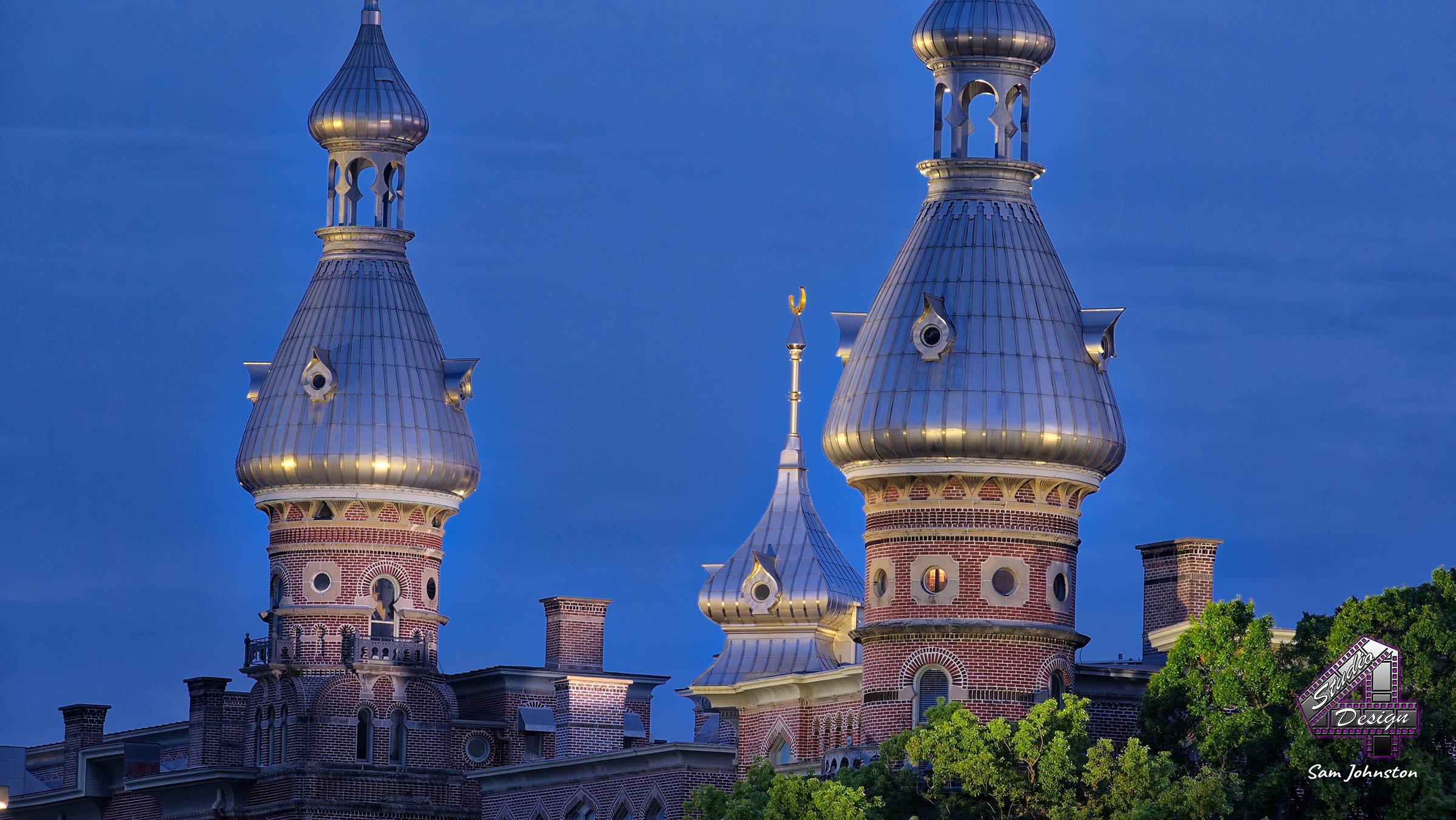 Being able to capture great visuals requires a little bit of an introduction to the three most basic camera settings: Aperture, ISO, and Shutter Speed. The combination of these three functions is present in all cameras and is imperative to set a good exposure.
Search for: What are the three basic camera settings?
Being able to capture great visuals requires a little bit of an introduction to the three most basic camera settings: Aperture, ISO, and Shutter Speed. The combination of these three functions is present in all cameras and is imperative to set a good exposure.
Search for: What are the three basic camera settings?

 Lots of people buy their very first digital electronic camera but have definitely no concept how to utilize it. There are numerous alternatives readily available for learning how to master digital photography, such as, for example, the web. The internet definitely has numerous websites readily available to assist you understand your digital camera and discover answers to any concerns you may have. There are many books readily available on utilizing a digital electronic camera, taking pictures and modifying them. When they have one-on-one lessons rather of reading a guide, many people discover they learn much faster and it is far much easier for them. Digital photography lessons are the response for these people.