Here are the 10 types of photography genres you can pursue as a professional photographer:
... #1 - Portrait Photography.
... #2 - Product Photography.
... #3 - Fine Art Photography.
... #4 - Fashion Photography.
... #5 - Architectural Photography.
... #6 - Photojournalism.
... #7 - Sports Photography.
... #8 - Aerial Photography.
Search for: What are the 8 types of photography?
CLASS DESCRIPTION
Group Composition in the Field Classes – 3 hours – $150
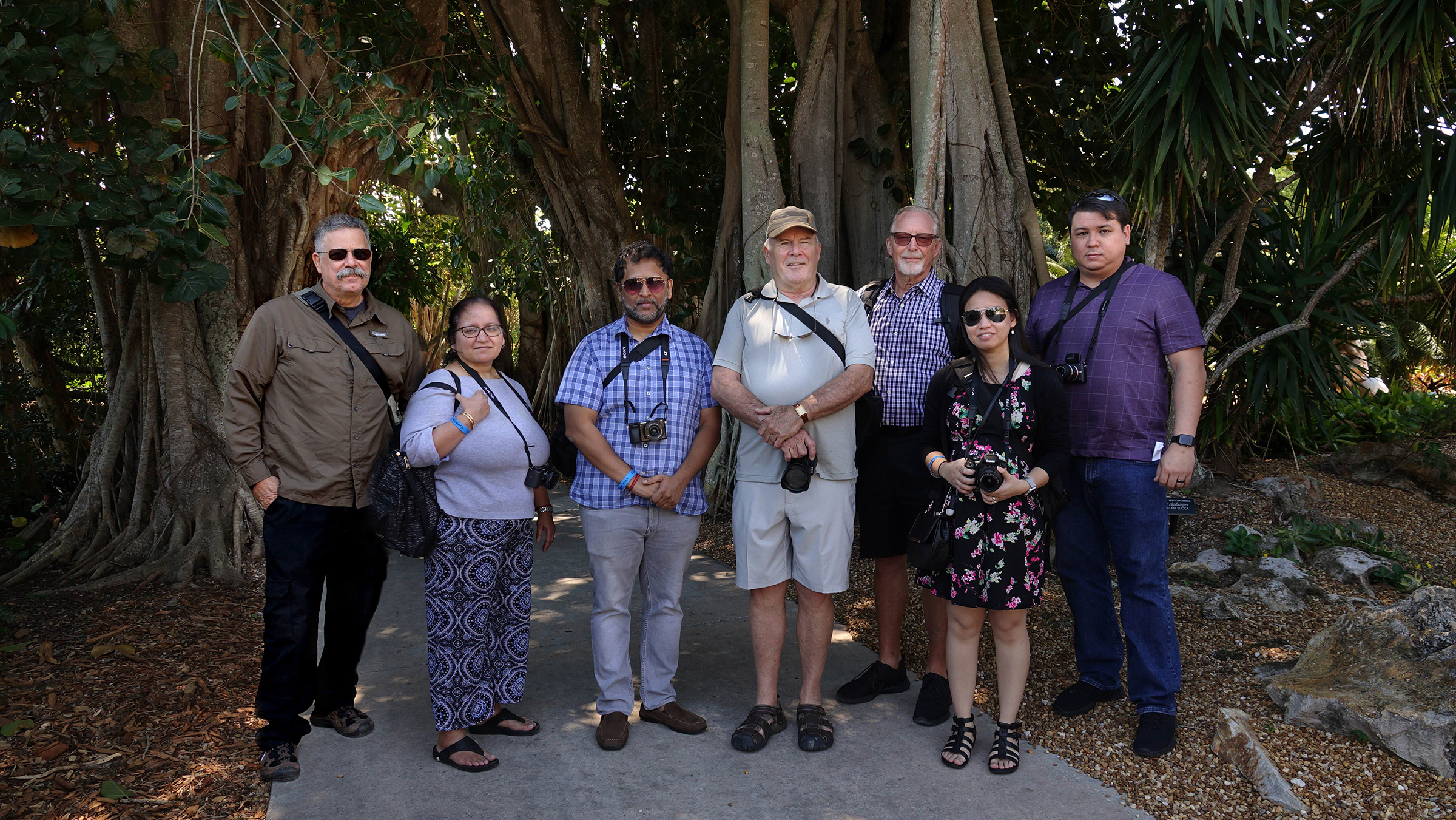
Each Composition in the Field photography class begins with a talk with one of our experienced instructors, and then you and your fellow students take a stroll through one of a variety of photogenic locales (in any of the cities the DPC are held in). There is street photography, magnificent interiors, farmers markets, zoos, landscapes, and more, photos of which are included within. These photos are a mix of student and instructor images in many different venues and cities across the United States.
You will have fun in the three hour session, learn to shoot strategically, get more interesting photos of the event, and walk away with a foundation to improve your photographs in the future, whether you’re traveling, or at a birthday party and everywhere in between.
What is the 500 rule in photography? The 500 rule for Camera Exposure B.S.
Photography is the art of replicating images of people, items or places in their exact similarity. These images can be transferred on any photosensitive material. Photography includes taking and printing photos.
The backbone of photography is the video camera, the instrument or gadget that works on the concept of optics. The camera and photographic strategies have undergone incredible changes given that the time the very first camera was made. The earlier design did not contain the film; instead, it had a little light-shield box with lens and clear screen on either side. The image that took a trip through the lens was kept on the screen. Referred to as 'camera obscura,' it disappeared than a sketching gadget for artists.
Then the researchers discovered the quality of silver nitrate that alters its color when exposed to light. This was the start of photogram, a technique of making permanent images.
They would position objects on the paper dipped in silver nitrate and expose it to the sunshine. After at some point the area covered under the item remained white while the remainder of the area turned black. Nevertheless, the image formed was momentary, so the approach did not last long.
Over the centuries, the principles, the method and the material used in photography went through numerous changes. After try out different methods like Daguerre and calotype process, finally collodion, or the damp plate technique was generally accepted.
Modern photography has provided a completely new meaning to the whole understanding of life and privacy. Photography has made it possible to record and maintain special minutes, in private and in public life.
With the significant technological advances in the art of photography, it is no more simply enjoyable and frolic but has obtained the measurements of a full-fledged occupation. Photography has lots of branches and types, such as:
- Aerial photography is the art of taking photos from the air.
- Art photography is devoted to stunning images for the sake of charm only.
- Studio or advertising photography is dedicated to promotion of institutions and products.
- Photojournalism takes pictures of events to support the news story and to develop awareness among individuals.
- Outdoor and travel photography is concentrated on taking images of landscapes and natural places.
- Sports photography records pictures of the sporting events and video games that occur on the planet.
- Some types of photography like the macro and clinical and macro or close up photography are limited to particular fields and are not extensively understood.
The beauty of photography lies as much in the end product as in the procedure of taking photos. Taking a look at an album is like travelling down memory lane; it makes us feel emotional and highly classic.
Photography is the art of replicating images of individuals, items or places in their specific similarity. Photography consists of taking and printing pictures.
The backbone of photography is the camera, the instrument or device that works on the principle of optics. Modern photography has provided a completely new meaning to the whole perception of life and privacy. Photography has actually made it possible to record and protect special minutes, in private and in public life.
CLASS DESCRIPTION
Composition in the Field – 3 hours – $99
Each Composition in the Field photography class begins with a talk with one of our experienced instructors, and then you and your fellow students take a stroll through one of a variety of photogenic locales (in any of the 20+ cities the DPC encapsulates). There is street photography, magnificent interiors, farmers markets, zoos, landscapes, and more, photos of which are included within. These photos are a mix of student and instructor images in many different venues and cities across the United States and Canada.
You will have fun in the three hour session, learn to shoot strategically, get more interesting photos of the event, and walk away with a foundation to improve your photographs in the future, whether you’re traveling, or at a birthday party and everywhere in between.
Please note – if a class must be cancelled due to weather or other circumstances beyond our control we will be happy to work with you to reschedule. If you should need to cancel and require a new class date, contact us. A $25 transfer fee will be imposed without a 3 day notice before the scheduled class.


 Photography is the art of replicating images of people, items or places in their exact similarity. These images can be transferred on any photosensitive material. Photography includes taking and printing photos.